Hm?
Asked on 2024-07-30
1 search

It seems like your question is unclear. However, I can provide some information about the sessions mentioned in the context from WWDC.
Here are the sessions mentioned:
-
Migrate your app to Swift 6
- Introduction
- The Coffee Tracker app
- Review the refactor from WWDC21
- Swift 6 and data-race safety
- Swift 6 migration in practice
- The strategy
- Adopting concurrency features
- Enabling complete checking in the watch extension
- Shared mutable state in global variables
- Shared mutable state in global instances and functions
- Delegate callbacks and concurrency
- Guaranteeing data-race safety with code you don’t maintain
- Enabling the Swift 6 language mode in the watch extension
- Moving on to CoffeeKit
- Enabling complete checking in CoffeeKit
- Common patterns and an incremental strategy
- Global variables in CoffeeKit
- Sending an array between actors
- What if you can’t mark something as Sendable?
- Enabling the Swift 6 language mode in CoffeeKit
- Adding a new feature with guaranteed data-race safety
- Wrap up and the Swift 6 migration guide
-
Consume noncopyable types in Swift
- Introduction
- Agenda
- Copying
- Noncopyable Types
- Generics
- Extensions
- Wrap up
-
Analyze heap memory
- Introduction
- Heap memory overview
- Tools for inspecting heap memory issues
- Transient memory growth overview
- Managing autorelease pool growth in Swift
- Persistent memory growth overview
- How the Xcode memory graph debugger works
- Reachability and ensuring memory is deallocated appropriately
- Resolving leaks of Swift closure contexts
- Leaks FAQ
- Comparing performance of weak and unowned
- Reducing reference counting overhead
- Cost of measurement
- Wrap up
If you have any specific questions about these sessions or need timestamps for particular topics, please let me know!
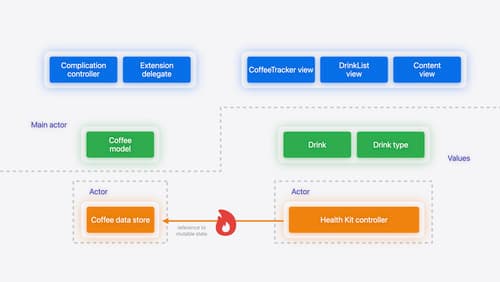
Migrate your app to Swift 6
Experience Swift 6 migration in action as we update an existing sample app. Learn how to migrate incrementally, module by module, and how the compiler helps you identify code that’s at risk of data races. Discover different techniques for ensuring clear isolation boundaries and eliminating concurrent access to shared mutable state.
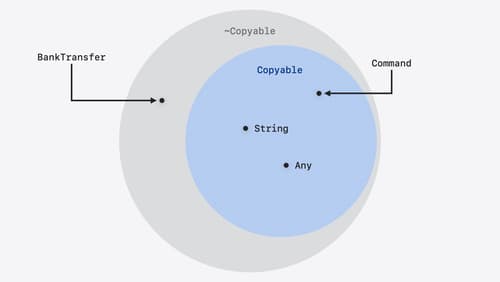
Consume noncopyable types in Swift
Get started with noncopyable types in Swift. Discover what copying means in Swift, when you might want to use a noncopyable type, and how value ownership lets you state your intentions clearly.
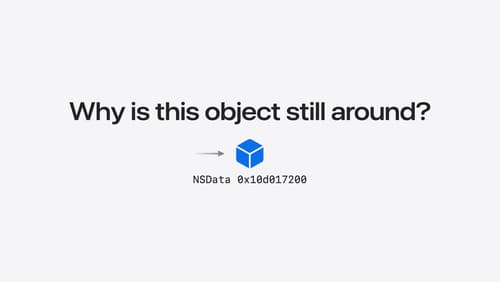
Analyze heap memory
Dive into the basis for your app’s dynamic memory: the heap! Explore how to use Instruments and Xcode to measure, analyze, and fix common heap issues. We’ll also cover some techniques and best practices for diagnosing transient growth, persistent growth, and leaks in your app.